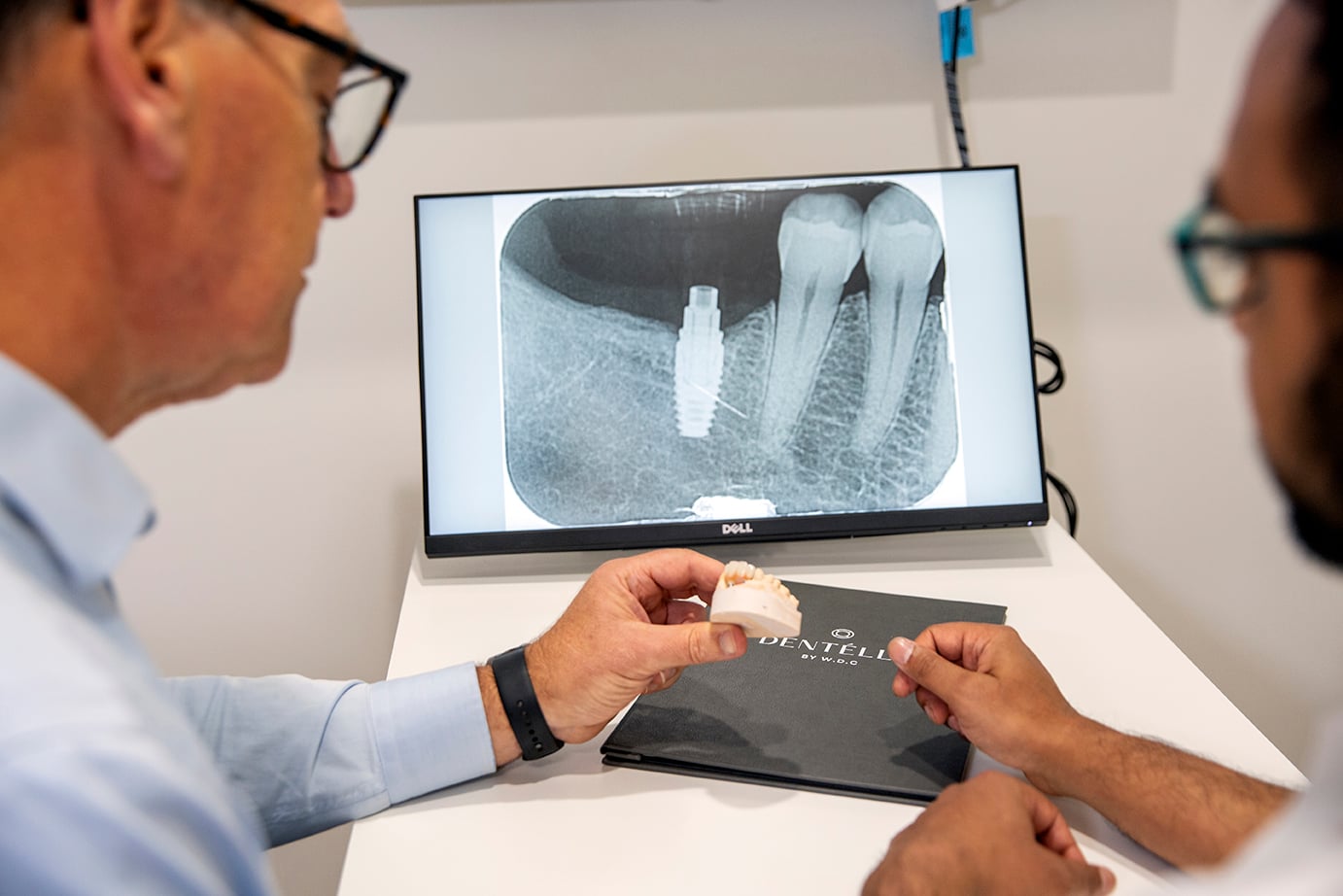
At Warragul Dental Care, Neil recently completed root canal treatment on his molar with a specialist, and then returned to the practice to have his crown placed, restoring the tooth to its full function. His experience is a great example of how seamlessly the two stages of treatment can come together when you have the right technology on site.
Why a Crown Is Important After Root Canal Treatment
Root canal treatment saves a tooth by removing the infected or damaged nerve tissue from inside it. But once that process is complete, the tooth is left in a more vulnerable state. Without the internal structure of the nerve and without the crown of the tooth fully intact, molars especially are at real risk of fracturing under the everyday pressures of biting and chewing.
Placing a crown over the treated tooth restores its strength, protects it from further damage, and allows the patient to eat and chew comfortably again with confidence. For Neil, that meant knowing his tooth would not break for the foreseeable future, something that matters a great deal when you’ve already been through the process of saving it.
How CEREC Makes It a Single-Visit Experience
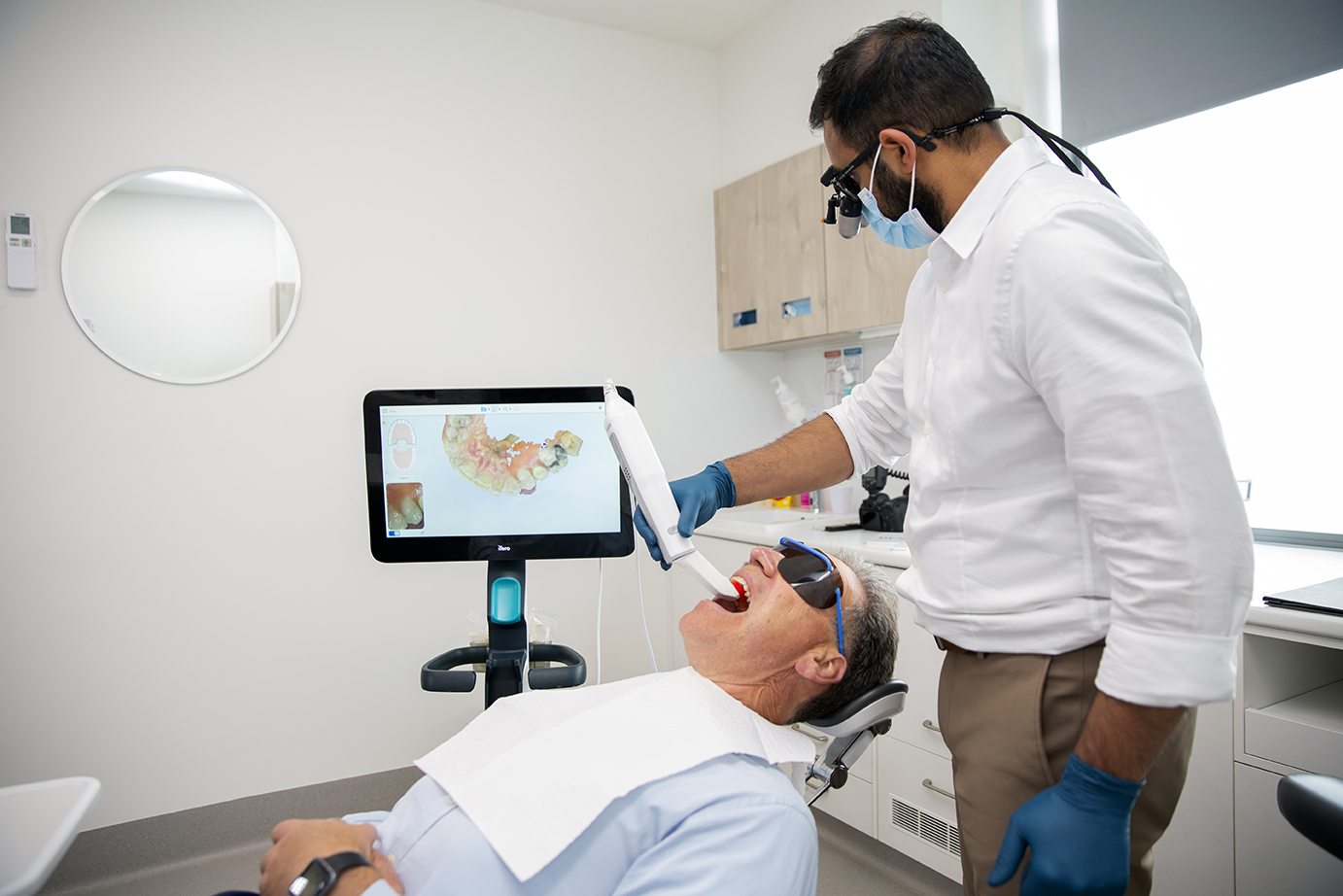
Scanning the Tooth With 3D Technology
The process begins with a precise 3D digital scan of the prepared tooth. This replaces the traditional impression-taking process entirely, meaning no trays, no putty, and a far more accurate result. The scan captures the exact shape of the tooth and the surrounding teeth, giving the software everything it needs to design a crown that fits correctly from the start.
Designing the Crown With Digital Software
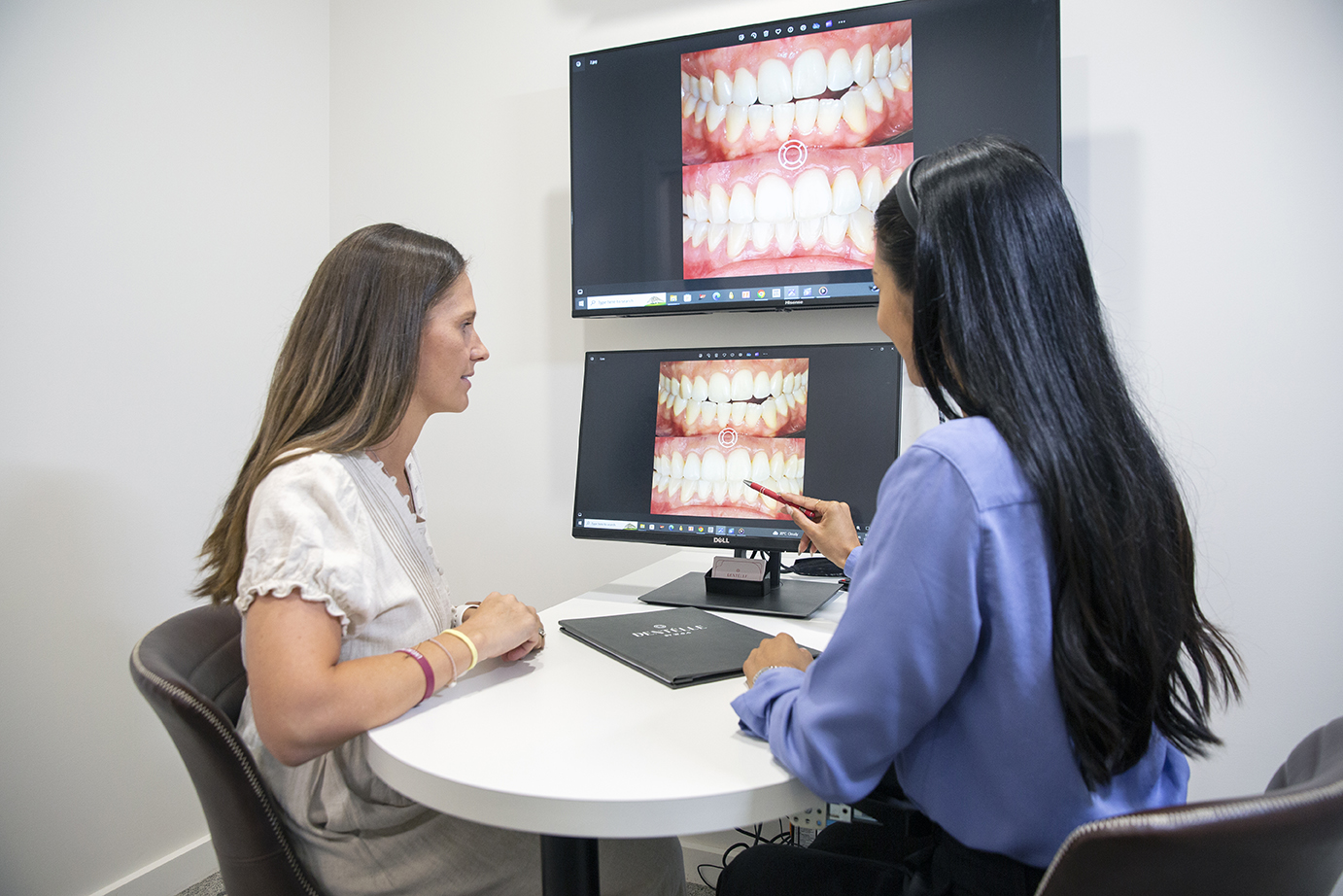
Using the 3D scan, the crown is designed on-screen using sophisticated digital software. The dentist can review and refine the design before a single piece of ceramic has been touched, ensuring the fit, the shape, and the bite are all accounted for before milling begins.
Milling the Crown On Site
Once the design is confirmed, the crown is milled right here at the Warragul Dental Care practice using the on-site CEREC machine. There is no sending impressions to an external lab, no waiting days or weeks for the crown to come back, and no need for a temporary crown in the meantime.
Fitting and Bonding in the Same Appointment
With the crown freshly milled, the dentist checks the fit, makes any fine adjustments, and bonds it securely to the tooth, all before the end of the appointment. The patient leaves with a fully restored, strong tooth they can eat and chew on comfortably straight away.
The Advantage Over Two-Appointment Treatment
The traditional crown process requires two separate visits. The first to prepare the tooth and fit a temporary, and the second to remove the temporary and bond the final crown. That process comes with its own set of complications, including the risk of the temporary crown coming loose, sensitivity in between appointments, and the inconvenience of having to come back.
For a patient like Neil, who has already been through the process of root canal treatment with a specialist, being able to have his crown completed in a single visit at Warragul Dental Care was a straightforward and welcome finish to what had been a significant course of treatment.
Completing Your Dental Journey at Warragul Dental Care
Whether your tooth has been through root canal therapy and now needs restoring, or you have a broken or damaged tooth that requires a CEREC same-day crown, the team at Warragul Dental Care has the technology and expertise to get it done efficiently and to a high standard. The on-site lab, 3D scanning, and CEREC milling capability mean that most crown restorations can be handled as part of the broader restorative dentistry services available right here in Warragul.
Book Your Crown Consultation Today
If you’ve recently completed root canal treatment and need a crown, or if you’d like to find out more about your same-day crown options, the team is ready to help. Call Warragul Dental Care on 03 8899 6937 or book your appointment online today.
Any surgical or invasive procedure carries risks. Before proceeding, you should seek a second opinion from an appropriately qualified health practitioner.