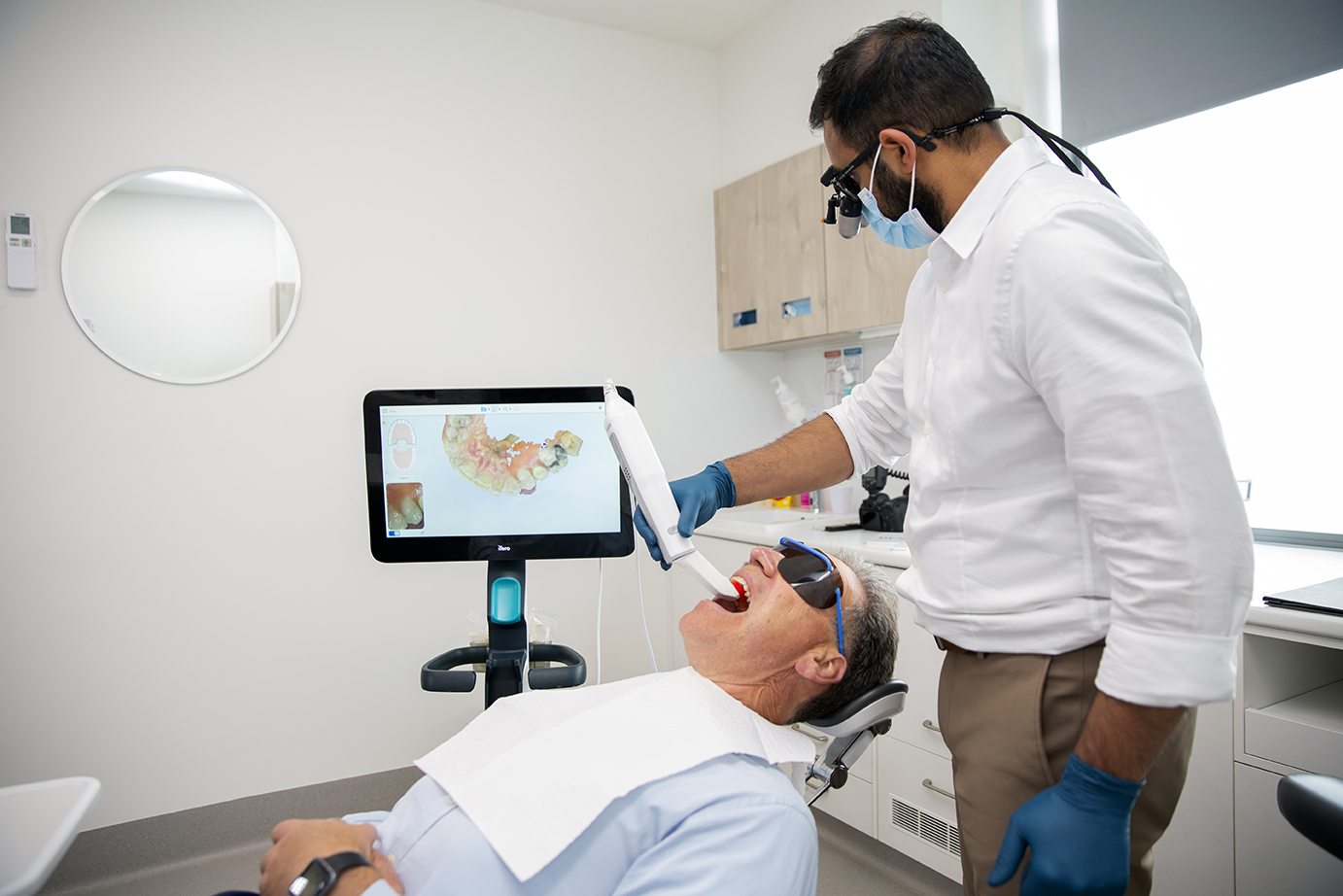
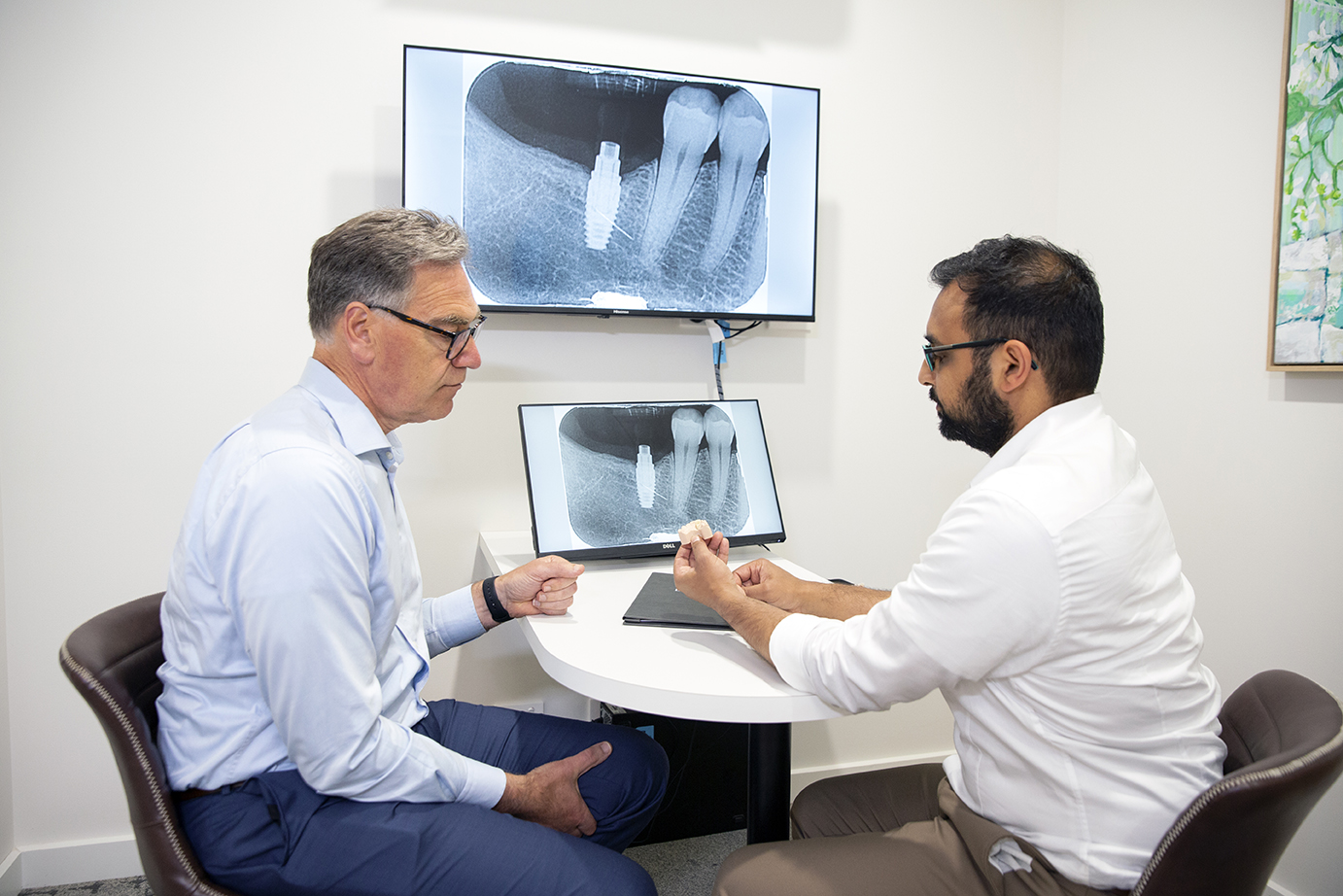
Most people in Drouin or Warragul assume sleep dentistry means a trip to Melbourne, a hospital admission, and a fairly stressful day. That used to be the only option. It is not anymore.
At Warragul Dental Care, we offer in-clinic general anaesthetic for patients who need or want to be fully asleep during their dental treatment. The clinical standards are the same as in a hospital, with an anaesthetist team and full monitoring throughout. The difference is the setting. A warm, residential-feeling practice rather than a hospital theatre, with the same friendly faces from start to finish.
For the past forty years, we have built the practice around making nervous patients feel safe. Sleep dentistry is part of that. It is for people whose anxiety is too high to manage with the usual options, or whose treatment plan is complex enough to be better completed in one go.
What Sleep Dentistry Actually Means
“Sleep dentistry” is the general term, but it covers a few different things. The most common ones in Australia are oral sedation (a tablet that takes the edge off), nitrous oxide (laughing gas), and general anaesthetic (where you are fully asleep for the duration of the procedure).
At WDC, what we offer is in-clinic general anaesthetic. That means you are fully unconscious throughout the procedure, with no memory of it afterwards. The anaesthetic is administered through a cannula in your arm by a specialist anaesthetist who travels from Melbourne. Your breathing, blood pressure and heart rate are continuously monitored by the anaesthetist and a dedicated nurse the entire time.
It is the same procedure, the same equipment, and the same standards you would experience in a hospital theatre. The setting is just a lot less clinical.
Who Sleep Dentistry Is For
Sleep dentistry is not for every patient. For most routine work, local anaesthetic and a calm environment are more than enough. Sleep dentistry is generally suited to people with:
- High dental anxiety that has stopped them from seeing a dentist for years, sometimes decades
- A strong gag reflex that makes longer procedures difficult to get through
- Complex treatment plans involving multiple extractions, implants, or full-mouth rehabilitation, where doing everything in one go is faster and easier
- Certain medical conditions where being fully relaxed under monitoring is safer than handling stress in the chair
- A preference for unconsciousness over awareness, particularly for surgical work like extractions or implant placement
Whether sleep dentistry is the right call for your situation is something we work out together, after a proper consultation and medical history review.
What to Expect on the Day
Knowing what happens at each stage tends to take a lot of the fear out. Here is the rough shape of a sleep dentistry appointment at WDC.
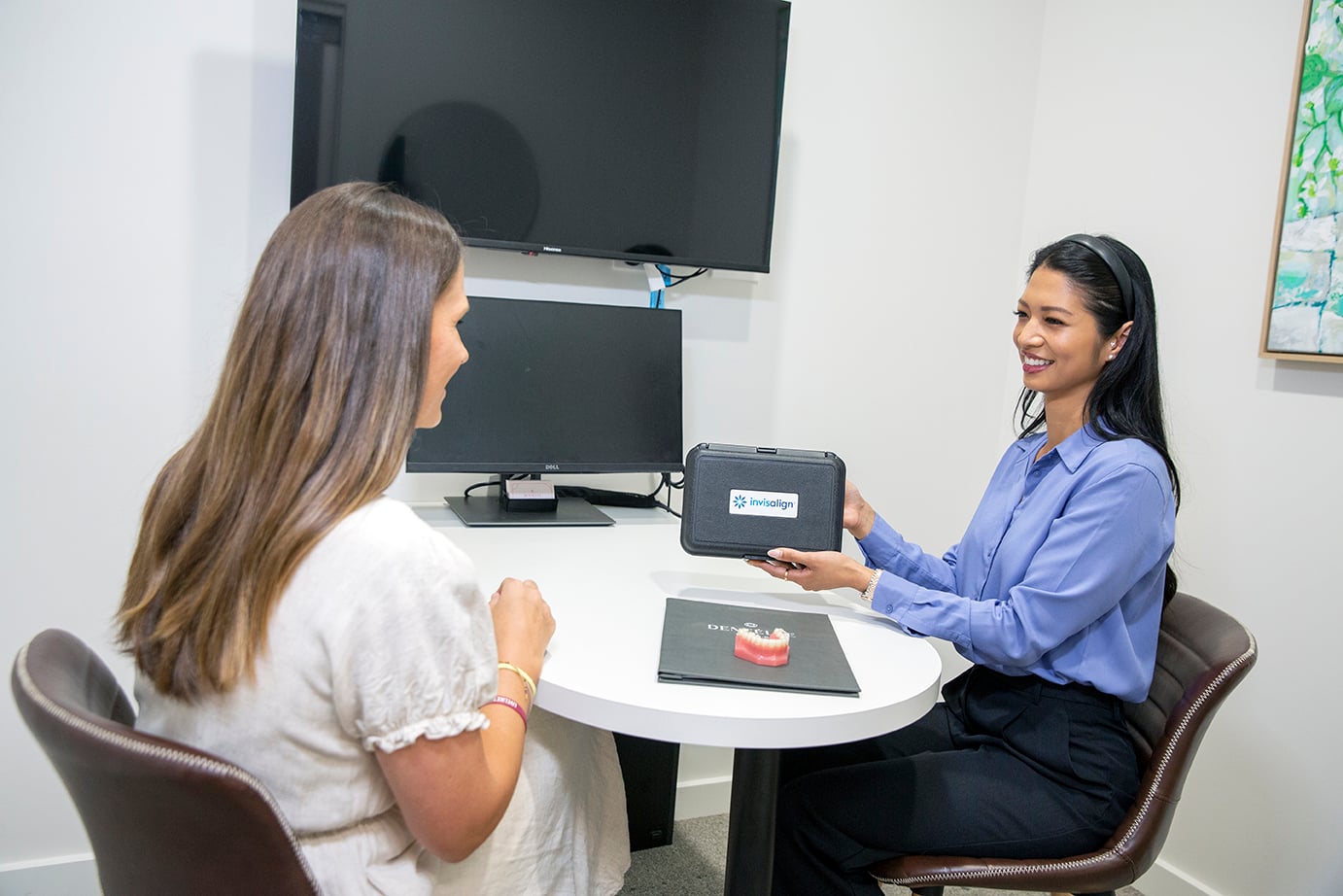
Before. You arrive and settle into a private consult room. Dogtor Dave may drop by for a quiet cuddle. The team reviews your medical history and treatment plan, and a numbing cream goes on your arm so the cannula does not pinch.
Going to sleep. The anaesthetist injects the general anaesthetic through your arm. You drift off within a minute or two, with vital signs monitored continuously from then on.
During. Treatment is carried out while you are fully asleep. You will not feel, remember, or move during the procedure. The anaesthetic nurse stays beside you the entire time.
Waking up. The anaesthetic wears off naturally over 30 to 60 minutes in our recovery room.
Going home. Once you are awake and can drink fluids, you head home. A responsible adult must drive you and stay with you for the day. Most patients are back to normal the next day, depending on the dental work completed.
Risks Worth Knowing About
Sleep dentistry is a medical intervention, and like any medical intervention, it carries risks. We talk through these openly during your consultation so you can make an informed decision.
Common, usually short-lived side effects include nausea, a sore throat, dizziness, and temporary drowsiness or mild confusion as the anaesthetic wears off. These usually resolve within hours.
Less common but possible: an allergic reaction to the anaesthetic, or complications with blood pressure or heart rate. These are rare, monitored continuously, and our anaesthetist team is fully equipped to handle them on the spot.
Recovery considerations matter too. Drowsiness can last up to 24 hours after the procedure, so driving and operating machinery are not on for that period. A responsible adult must accompany you home and stay with you for the first day. Strenuous activity is best put off until the following day.
None of this is meant to put you off. It is meant to give you the full picture so you can decide whether sleep dentistry is right for you.
Why Locals Choose WDC for Sleep Dentistry
A few things make WDC a popular choice for in-clinic general anaesthetic in Gippsland.
- Same hospital-grade standards in a warm clinic environment. Same monitoring, same anaesthetic medications, same safety protocols, without the hospital admission.
- A specialist anaesthetist team that travels from Melbourne to handle each case, working alongside our dental team.
- All treatment completed in one go for complex cases. Extractions, implants, fillings, deep cleans, and restorative work can often be planned together in a single appointment.
- Dogtor Dave (and occasionally semi-retired Dogtor Bruce) on hand for quiet support before and after. The therapy dogs are not a gimmick. They are part of how we calm nervous patients.
- A practice purpose-built for anxious patients, with a comfort menu, private consult rooms, and no clinical white walls. The environment matters when you are already nervous.
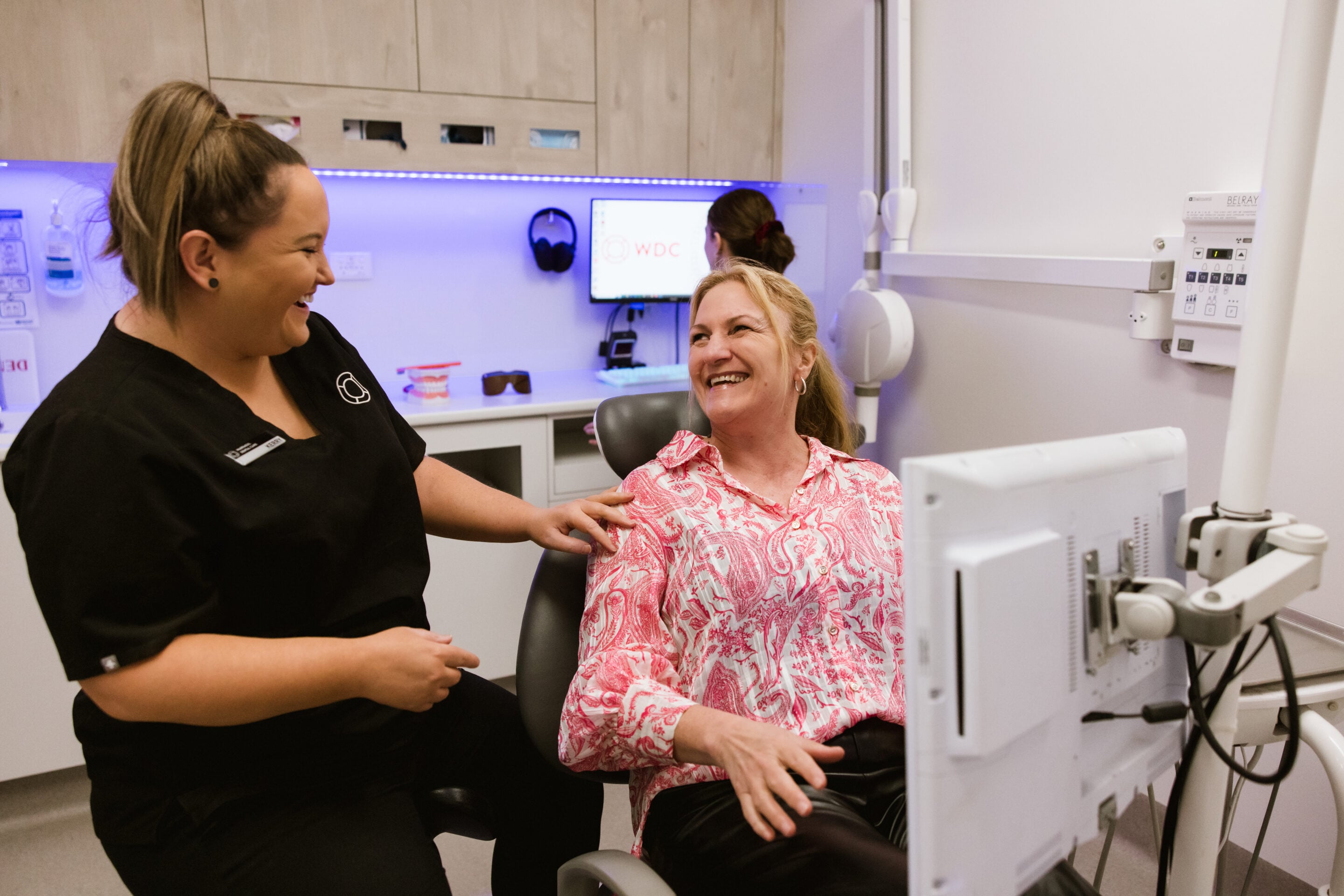
Forty years in Warragul, a short drive from Drouin, and a team that has heard your story before. You do not need to explain why you are anxious. We know.
Ready to Talk to the Team?
If you have been putting off dental work because of anxiety or the complexity of what you need, sleep dentistry might be the answer. The first step is a consultation, where we go through your medical history, your dental plan, and whether general anaesthetic is the right fit for you. No pressure, no commitments.